Designer sneakers are the most studied purchase in modern wardrobes. The smartest shoppers read three things before paying: price tier, materials and resale math. Four figures is the standard luxury entry. The official sites make comparison easy. Balenciaga lists the Track at $1,150 and the 3XL at $1,250. Prada runs America's Cup styles from $850 to $1,150. The numbers differ, but the brackets rarely do.
The resale market then keeps everyone honest. StockX data reported by Footwear News tracked a Chanel pair that retailed at $1,600 and averaged $1,985 at resale. Louis Vuitton's $1,150 LV Trainer averaged $1,499 in the same quarter. Luxury sneakers hold value near retail. They rarely multiply it. Knowing that changes what a wise purchase looks like.
What Two and Three Figures Buy
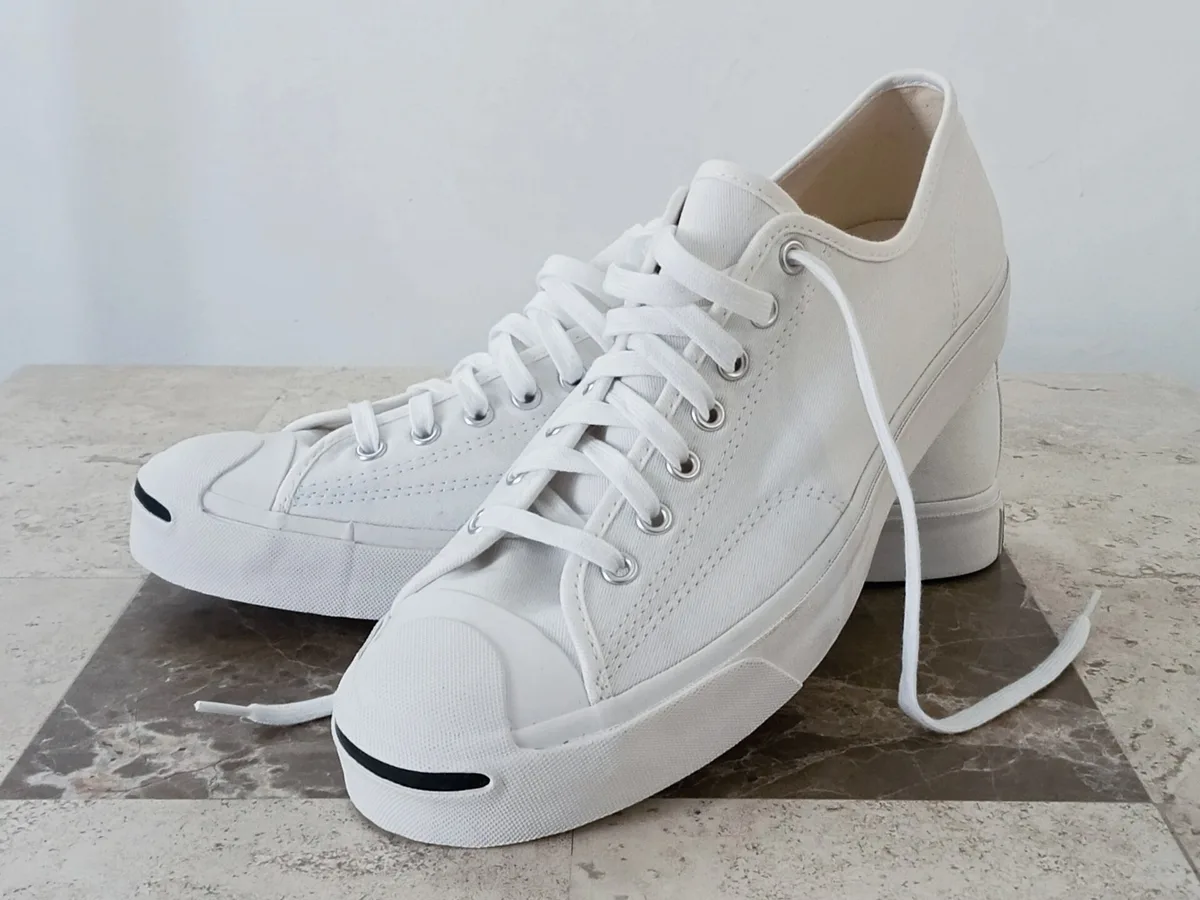
The lower tiers are not a compromise. They are context. Mass classics like Puma's $90 Suede and $85 Palermo deliver certified style history for two figures. The JIL SANDER x Puma Suede at $500 shows a designer hand touching the same platform for three figures. These shoes prove that shape and heritage do not require a luxury budget. What they do not provide is rare materials, luxury finishing or a resale market that defends the price. That trade-off frames every designer counter decision. Readers following this should also see Puma Sneakers Worth the Shelf Space: Suede, Palermo and Classics.
Two-figure pairs also teach good habits. Rotation, cleaning and dry storage matter at every price. Better to learn them on a $90 shoe than a $1,300 one. The classics forgive mistakes. Luxury does not. That $500 JIL SANDER pair makes the point twice over. Same platform as the $90 original, designer signature attached. The delta is mostly the name.
What Four Figures Actually Buy
The verified four-figure bracket runs tighter than most buyers expect. Balenciaga spans $975 for the Hydra to $1,250 for the 3XL. Prada's Cloudbust Thunder lists at $1,370. Its Cass collab reaches $1,890. Rick Owens lists main-line pairs from 690 to 995 euros. What the money buys is material ambition and finishing. The proof sits on official pages: tulle uppers on Balenciaga's 3XL, rubber and performance fabric on Prada's Cloudbust Thunder, and full leather builds on Prada's Downtown up to $1,250. WWD's roundup of the twenty best designer sneakers works as a checklist of lasting design. This connects to our earlier piece, Prada Sneakers From Cloudbust to America's Cup: The Full Lineage.
Where the money goes is no secret. It goes into materials, finishing and resale support. Official sites, boutiques and verification services stand behind the four-figure purchase. No mass classic enjoys that safety net. And the net has a price, built right into the sticker.
Reading Materials Like a Professional
Materials decide whether luxury budgets live or die. The official product pages disclose everything worth knowing. Strong examples stand out: technical fabric and rubber across Prada's Cloudbust family, leather on the Downtown, and Re-Nylon gabardine styles from $1,050. The professional habit is simple. Check the listed material, the lining and the sole construction before checkout. These details drive comfort and resale condition years later. A designer sneaker with a vague material description is a red flag, whatever the logo says.
A five-minute check on designer sneakers saves seasons of regret. Read the material line. Read the lining. Read the sole description. Then compare against the price. If the answers feel thin, walk away; the market always offers another pair.
Resale Math: The Step Most Shoppers Skip
Resale is the third read, and the data humbles. The StockX quarter cited above put luxury pairs near retail. The true spike came from engineered scarcity. The Chanel x Pharrell release retailed at 1,000 euros, with 500 pairs sold by lottery. WWD reported resale prices climbing to $32,000. The lesson cuts both ways. Buy designer sneakers for the design and the materials, and treat value retention as a pleasant bonus. Buy them as investments, and the near-retail averages will disappoint.
Condition drives everything when reselling designer sneakers. Boxes, receipts and unworn soles lift prices. Creases and yellowing cut them. The buyers who profit treat resale like maintenance, not luck.
Conclusion: Read All Three, Then Buy Once
Designer sneakers reward homework. Price brackets map the ambition. Materials predict the lifespan. Resale data keeps expectations honest. Two figures buys heritage shapes. Three buys designer collabs. Four buys the full luxury build. Read all three layers. Choose the tier honestly. Buy once, properly, rather than twice, regretfully. The brackets are public, the materials are listed and the resale data is real. Very few purchases reward ten minutes of reading this clearly. Do the reading, then enjoy the shoes.