Store opening news throws three words at readers constantly: flagship, pop-up and shop-in-shop. They sound like marketing garnish. They are not. Each format tells you something practical about the range you'll find, the prices you'll pay and how long the space will exist — and that changes whether a visit is worth your Saturday.
The useful distinction starts with the word itself. According to the Cambridge Dictionary, a flagship is the most important product, building or idea belonging to a group — the term literally comes from the navy, where the flagship carried the commanding admiral. Applied to retail, it means the store a brand treats as its showpiece. Everything else is a variation on how much commitment that brand is making to the space.
This guide walks through each format in turn: what it is, what it signals about stock and pricing, and how to shop it without wasting a journey. For more openings coverage as it lands, our store-openings section tracks who is opening where, and what each new space actually brings.
What is a flagship store, and why does it matter to shoppers?
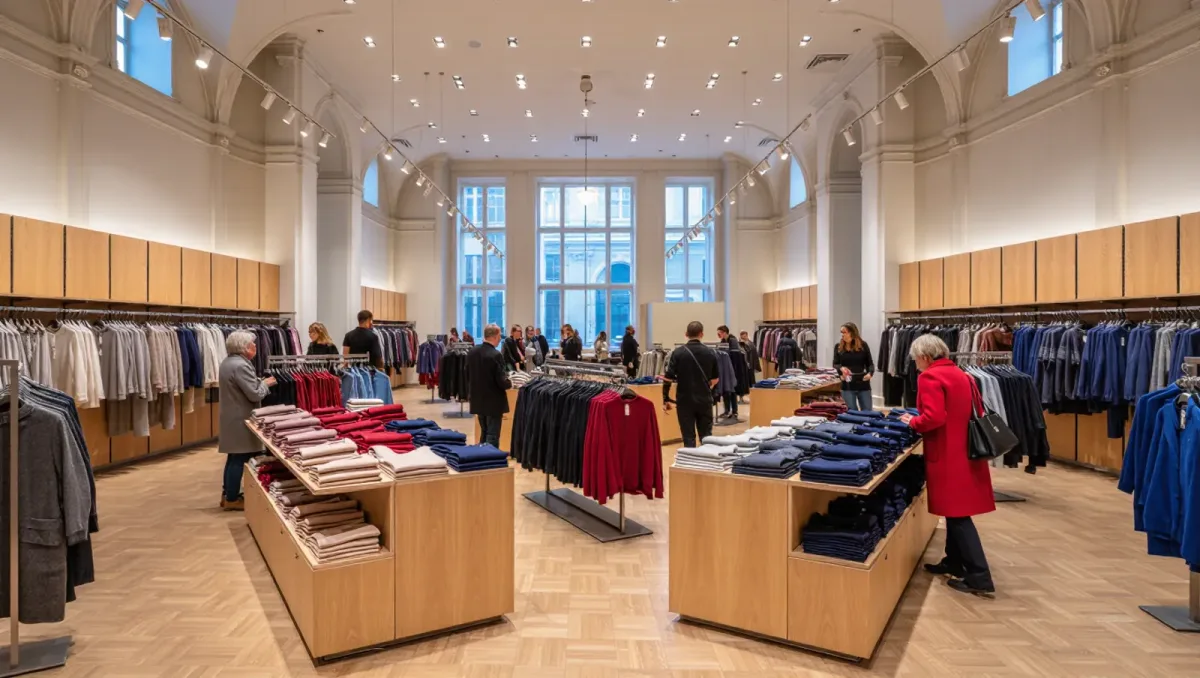
A flagship store is a brand's largest, most complete expression of itself, usually in a major shopping location. Think of it as the brand's shop-window to the world. The range is the widest you will find anywhere under that roof: full size runs, the whole category spread, exclusive pieces and often services — personal styling, alterations, made-to-order — that smaller branches don't carry.
What does that mean for your wallet? Flagships are not built for bargains. They are built for theatre, brand-building and full-price selling. Expect the newest season at full ticket, and expect the space to exist for years, not weeks. The trade-off is depth: if you want a specific piece in a specific size, the flagship is the single most likely place to have it, because it carries the most complete inventory the brand offers.
Practical steps for a flagship visit: go with a target purchase rather than a browse, because the merchandising is engineered to make you wander. Check whether the store offers services the brand lists nowhere else — that is often where a flagship justifies the trip. And note that end-of-season markdowns at flagship level tend to be shallower than at outlet or concession level, since the flagship exists partly to protect the full price.
What is a pop-up shop, and how should you shop one?
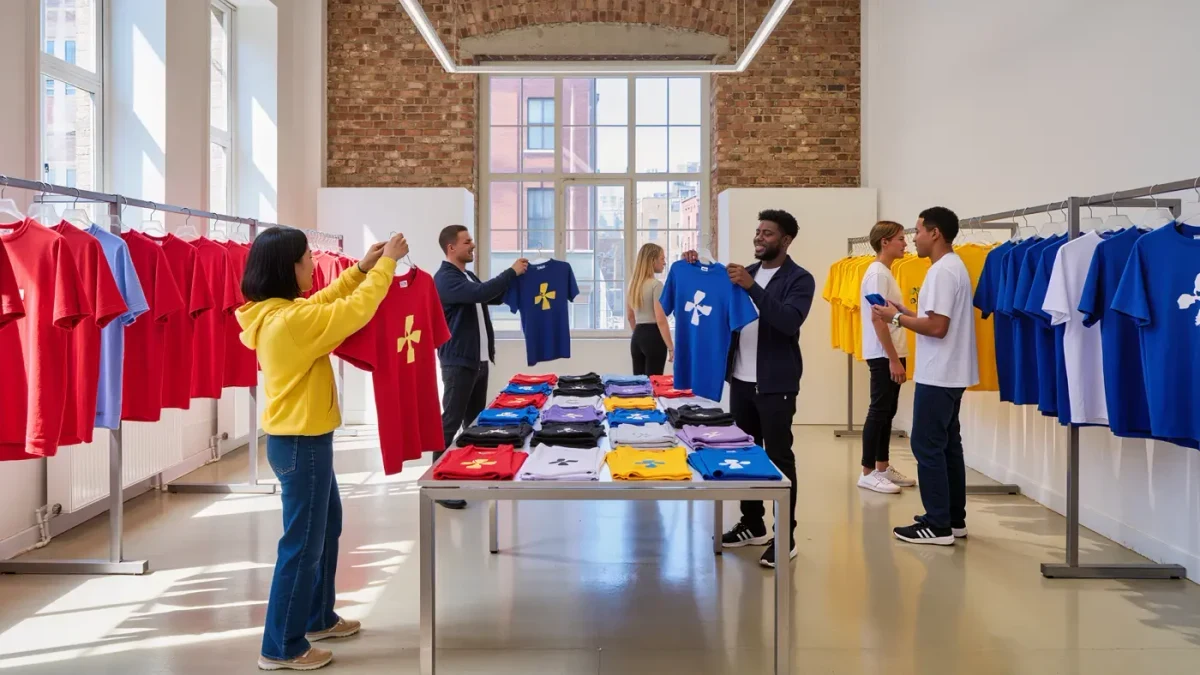
A pop-up is a temporary retail space: a brand takes a lease for weeks or a few months, fills it with a curated, often themed selection, and then vanishes. The format exists to create urgency and publicity. Brands use pop-ups to test a market, launch a collection, mark a collaboration or generate content — the shop is as much a marketing event as a store.
For shoppers, three things follow. First, the range is deliberately narrow. You will see a highlight reel, not the catalogue. Second, pricing is usually full-price; the scarcity is the point, and discounts undercut the exercise. Third, and most importantly, there is no second chance. Miss the dates and the stock either moves online, moves to a permanent store, or disappears into resale at a markup. We covered a connected angle in 2000s outfits return on the back of three objects.
Our analysis: treat a pop-up as a buy-it-now proposition. If a piece genuinely earns its place in your wardrobe, buy it on the day. If you are wavering, the honest question is whether you want the item or the occasion — and occasions expire. One more note: pop-up staff are often temporary hires with limited stock knowledge, so verify sizes and return terms on the spot before you pay, since return windows on limited runs can be tighter than the brand's standard policy.
What is a shop-in-shop, and when is it the better bet?
A shop-in-shop is a branded space inside another retailer's store. The host — a department store, a large concept retailer — provides the floor; the brand provides the fixtures, the staff and its own curated range. It is a middle commitment: more permanent than a pop-up, far smaller than a flagship.
Why should a value-minded shopper care? Because the host retailer's machinery sits around it. Shop-in-shops frequently participate in the host store's promotions, loyalty schemes and clearance cycles in ways a standalone brand store does not. That means the same branded piece you'd pay full price for in a flagship may be reachable through a department-store event or points scheme. The range is smaller than a flagship's, but the pricing routes are richer.
The caveat: stock depth. A shop-in-shop carries a slice of the brand's line, so a size run can sell out and stay sold out until the next delivery — or never be replenished at all if the space rotates. If you find your size, buy it. If not, ask the host store about inter-branch transfers before trekking across town.
Flagship vs. pop-up shop: which format wins on price?
Head to head, none of the three is a discount format — that is what outlets and sales are for — but they differ in what you get for the money. The flagship gives you maximum range and services at full price. The pop-up gives you a narrow, possibly exclusive selection at full price, with a hard deadline. The shop-in-shop gives you a mid-size range with the best odds of a promotional route to a lower effective price.
So the ranking depends on what you're optimising for. Range and certainty of stock: flagship. Exclusivity and deadline-driven decisions: pop-up. Price flexibility and loyalty stacking: shop-in-shop. If your priority is cost per wear rather than the theatre of the visit, the shop-in-shop is usually where the arithmetic works hardest — same brand, same product, more ways to pay less.
How to read a store opening announcement like a buyer
When opening news crosses your feed, four questions sort the formats in seconds. How long is the lease — permanent, seasonal or a matter of weeks? How wide is the range being promised — everything, a capsule, or a branded corner? Is pricing tied to one retailer's promotions or the brand's own? And does the location carry services, which signal a long-term commitment rather than a marketing exercise?
What this means in practice: a "flagship" opening is worth a planned trip for range; a pop-up is worth a trip only if you'd buy at full price today; a shop-in-shop is worth folding into a routine shopping run where the host's promotions can work for you. None of them is automatically the better shop — the format just tells you which game is being played. And whatever the format, the price tag remains an opening offer: markdowns, loyalty schemes and host-store events are where the real price gets decided.