90s outfits today run on three toolkits: grunge, minimalism and the tailoring that hip-hop put on the map. Each current was documented in its own decade. Each has a founder generation. And each remixes cleanly now, provided the outfit borrows one toolkit at a time.
The decade is close enough to feel easy and far enough to feel dated, which is why the mechanics matter. The record here comes from two places: FIT's decade timeline and Vogue's history of the 1990s. Below, each toolkit breaks into its key pieces and the remix rule that keeps it current.
Grunge, one piece at a time
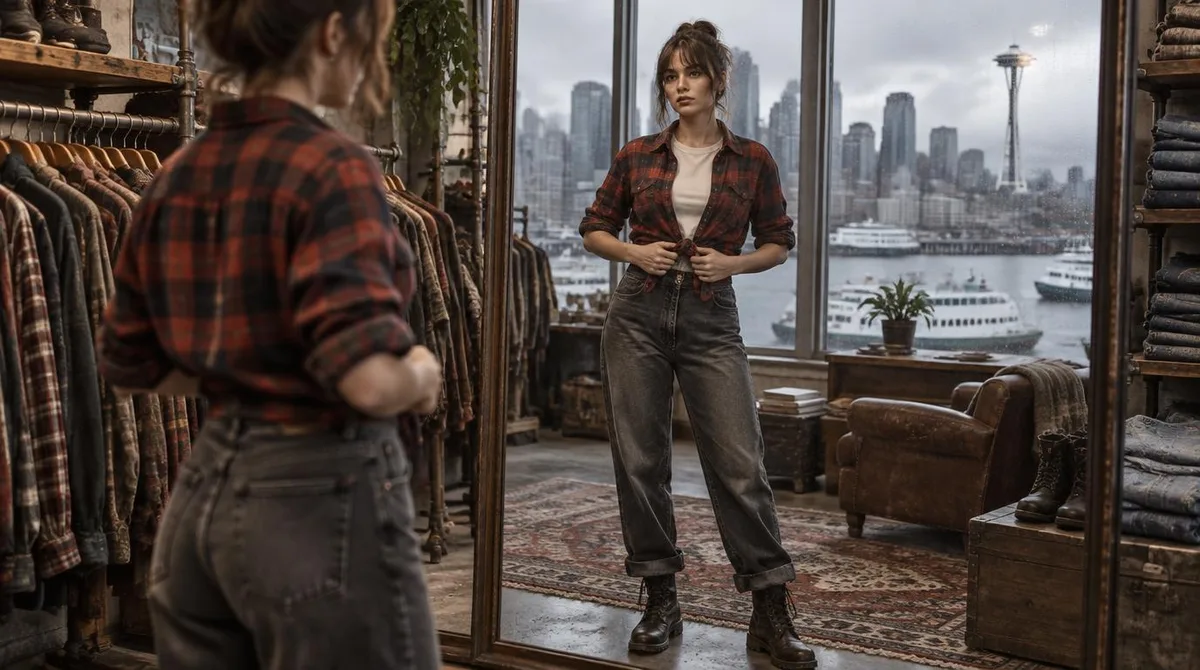
Grunge started as a sound before it was a look. Vogue traces it to Seattle bands like Nirvana and Pearl Jam. Thrifted flannel and jeans moved from teen closets to runways. The FIT Fashion History Timeline lists the uniform precisely: baggy, worn-out jeans, flannel shirts and Doc Martens boots. Marc Jacobs put the whole thing on his spring 1993 Perry Ellis runway. Vogue notes that the show made fashion history and cost him his job.
The remix rule is rationing. One grunge piece per outfit: a flannel over a plain tee, or distressed denim with a clean top. This is the piece most 90s outfits get wrong. The full uniform at once reads as a tribute act, because the originals wore thrift store clothes, not a costume of them. The boots matter as much as the flannel. Docs carry the look; plain fashion sneakers soften it toward current.
Minimalism is the base layer
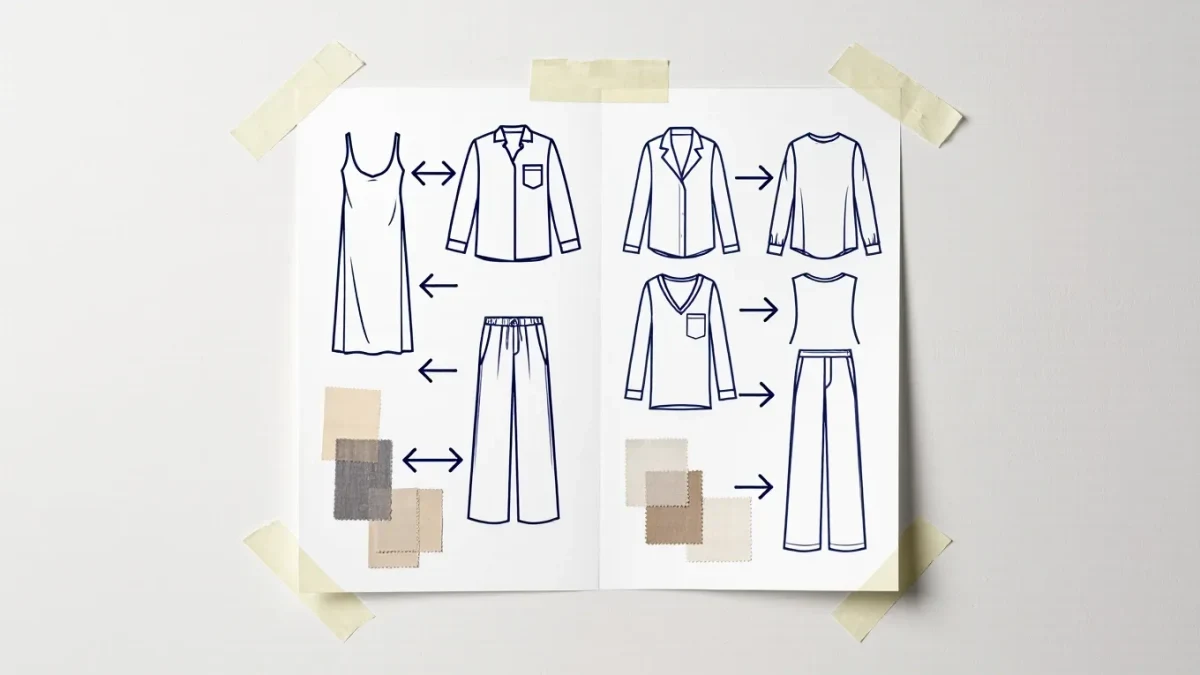
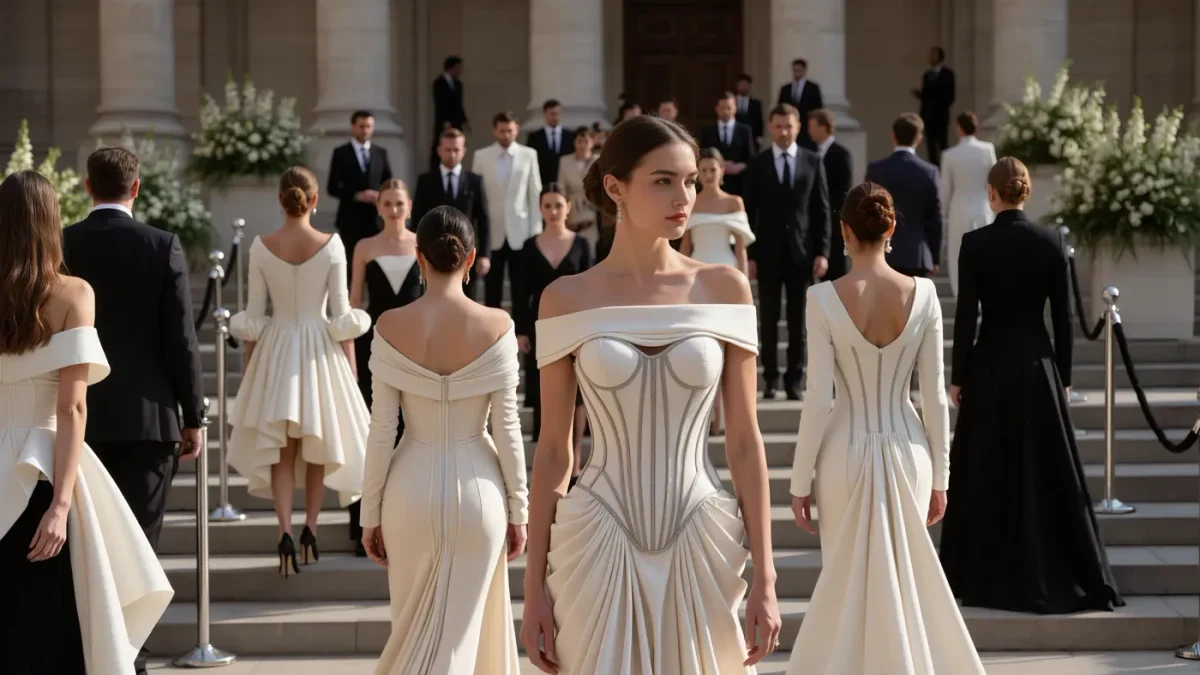
The second toolkit answered the first. Vogue reports that the recession after the 1989 crash ended the excess of the 1980s. Calvin Klein, Jil Sander and Helmut Lang answered with pared-down clothes: seam-free slip dresses, simple button-ups, and palettes of black, white and navy with barely a pattern. FIT adds the era's signature layering move, the slip dress worn over a white t-shirt. The look leaned on cloth, not trim, which kept the price ladder wide open. This connects to our earlier piece, White sneakers women live in come down to three pairings.
Minimalism survives because it is a base layer, not a costume. A slip dress over a knit needs no explanation. Wide trousers with a tucked tee need none either. The palette did the branding: anyone could copy three neutral colors and one shape. It is also the cheapest toolkit to get right, since plain knits and wide trousers exist at every price, and 90s outfits built this way age the slowest.
Tailoring borrowed from hip-hop
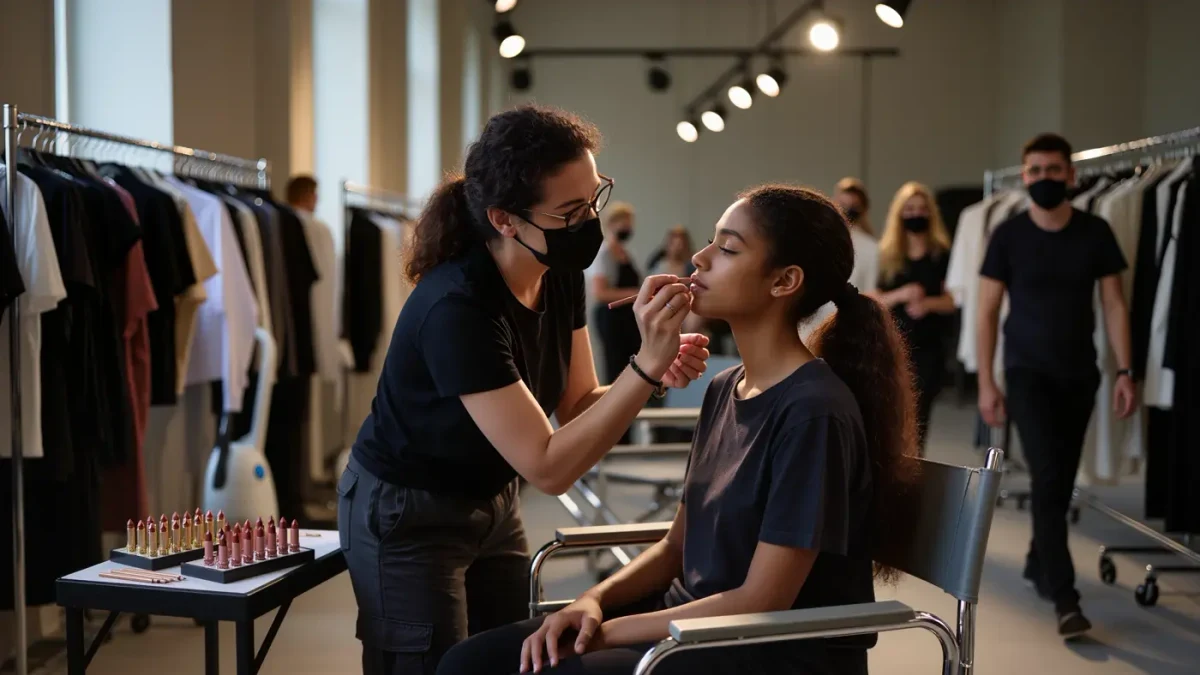
The third toolkit came up through music. Vogue credits TLC, Aaliyah in Tommy Hilfiger ads, and Destiny's Child with popularizing hip-hop fashion, from baggy denim to exposed branded waistbands. The look defined 90s outfits from music videos to school hallways. FIT notes the same wave in menswear, where rap drove baseball caps, tracksuits and hoodies, and Tommy Hilfiger made branded casual clothing a default.
The waistband was the billboard. A logo elastic peeking over a jean waist did more selling than a magazine page. The tailoring remix borrows the proportions, not the logos. One wide trouser with a tucked top gives the silhouette its ease. An oversized jacket over a straight jean does the same. Stacked branding belongs to the archive; the volume is the part that still fits. Fit is the tell here. The volume should read relaxed, not baggy past the point of shape.
The remix rules that keep it honest
Three rules cover all three toolkits. First, one toolkit per outfit: grunge over minimalism reads as a mess, not a mix. Second, contrast the fit, so a loose piece sits against a fitted one and the outfit keeps a shape. Third, keep shoes plain, because era-accurate footwear is the fastest way to turn 90s outfits into a period photo. Readers following this should also see Y2K outfits came back, and the receipts are all over retail.
The decade rewards precision. Its pieces were cheap and its icons were photographed constantly, so every combination has a reference attached. Start from one reference photo, then delete the shoes and one accessory. What remains is usually the wearable part of the decade. One more filter: if the outfit needs a story to explain it, the costume won.
Conclusion
90s outfits hold up because the decade produced three complete systems rather than one look. Grunge lends flannel and worn denim. Minimalism lends slips and neutral palettes. Hip-hop tailoring lends volume and ease. Borrow one system at a time, contrast the fit, keep the shoes plain, and the remix reads current instead of costumed.