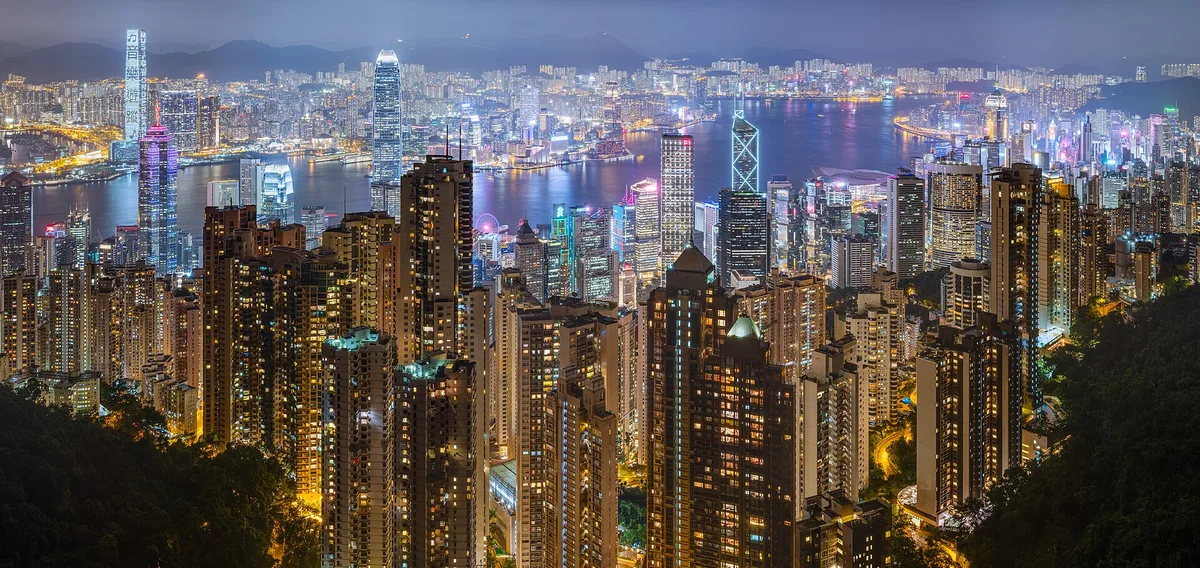
Hong Kong Fashion Fest closed its third edition on Sept 14 after a two-week run, and the numbers behind it are the real story. More than 300 local and international design entities took part. Eight flagship programs ran in collaboration with six industry organizations, spread across cultural landmarks and design spaces in the city. According to China Daily, the festival was presented by the HKSAR government and spearheaded and sponsored by the Cultural and Creative Industries Development Agency of the Culture, Sports, and Tourism Bureau.
What does that mean for a shopper watching Asia's fashion calendar? It means Hong Kong is running a deliberate, government-backed strategy to position itself as the region's fashion design hub — and it is wiring commerce directly into culture. The theme, "Rhythm of the Heart", is a soft phrase for a hard plan. The festival is not just a showcase; it is a pipeline that runs from runway to retail counter, and the third edition shows the pipeline is widening.
Where did the festival come from, and why does it exist?
The origins matter. Rosanna Law Shuk-pui, Secretary for Culture, Sports and Tourism of the HKSAR government, traced the event to Chief Executive John Lee Ka-chiu's 2023 Policy Address, which set out the vision of making the city Asia's fashion design hub. The first festival launched in 2024, and Law said that in just two years it has grown into a major annual fashion occasion.
That is the expert reading: this is policy, not party. A government ministry, a development agency and six industry organizations are coordinating a single annual event. Few cities put that much institutional weight behind fashion. The implication is continuity — the festival will keep its funding, its venues and its calendar, which is exactly what emerging designers need most.
Why stage couture at a museum?
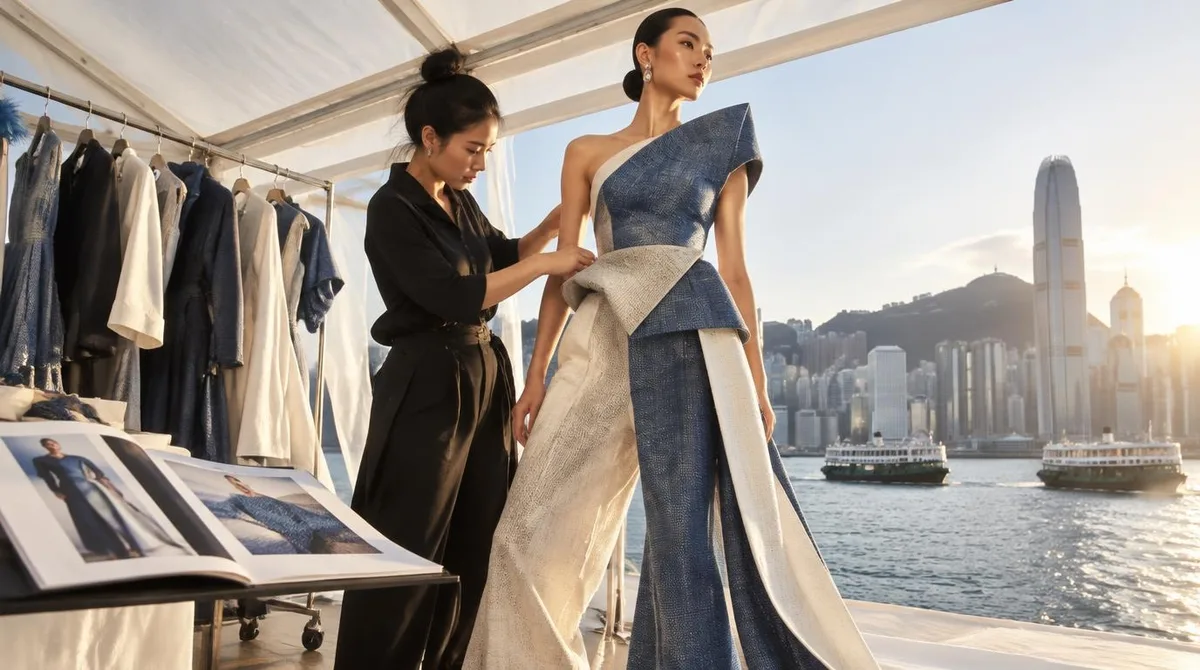
The opening program, VIRTUOSE: The Artistry of Couture 2026, was presented by the Hong Kong Fashion Designers Association and staged at the Hong Kong Palace Museum. Four designers showed: Guillermo Decimo from Spain, Phan Huy from Vietnam, and Tigerstrolling Artisanal and Vivian Luk from Hong Kong. The runway was framed by four arches, each a nod to a distinct architectural heritage.
Bonita Cheung, conceptual and project director of VIRTUOSE 2026, framed the intent clearly: this is not fashion to chase, but to appreciate — couture's power lies in the artistry of its application, making it more modern and approachable. HKFDA Chairman Kevin Yeung called it a celebration of artistry, creativity and master craftsmanship that brings together diverse cultures. Readers following this should also see UGG sneakers and more: what the brand makes beyond boots.
The choice of four designers from Spain, Vietnam and Hong Kong is the tell. The festival is positioning Hong Kong as a meeting point between European couture tradition and Asian craft — a bridge role, not a copy of Paris or Tokyo.
How does a festival become a shopping event?
This is the part Fashion Must Buy readers should watch. The Wear's HK citywide fashion pop-up, led by the Clothing Industry Training Authority, put 20 of the city's leading and emerging designer brands into six prime locations: Festival Walk, Harbour City, Harvey Nichols at Pacific Place, Hong Kong International Airport, Hysan Place and ifc mall. The pitch was "see now, try now, wear now, buy now" — runway designs available on the shop floor, immediately.
Anthony Keung, who chairs the Wear's HK Steering Committee, noted that consumer tastes have shifted from mass-market brands toward unique, creative and personalized fashion — an environment where Hong Kong's creative spirit thrives. That shift is the mechanism behind the whole festival. If shoppers want distinctiveness, the fastest way to prove local designers can deliver it is to put their work in malls within days of the runway.
For readers following what sells and why, this see-now-buy-now model is one of the more practical shopping developments in Asia this season: it collapses the gap between a look on the catwalk and a purchase in your hands.
What do the trade numbers say?
CENTRESTAGE, organized by the Hong Kong Trade Development Council, is the commercial engine. It attracted more than 12,000 international trade visitors from 93 countries and regions, a new attendance record. Buyers from Vietnam, Russia, the United States and Malaysia recorded notable growth. Entering its 11th edition, the fair brought together some 270 brands from 24 countries and regions, setting a record high, according to Smilely Lam, associate executive director of the HKTDC.
Read those buyer countries again: Vietnam, Russia, the US, Malaysia. Growth is not coming from one market. A trade platform that draws buyers from four continents has pricing power and staying power, and it gives the festival's emerging designers somewhere real to sell.
What else ran under the festival umbrella?
The breadth is deliberate. The eight flagship programs also included Future Threads, a cross-cultural menswear exhibition between Italy and China's HKSAR; the Fashion Summit (Hong Kong) 2026 on sustainable fashion; the Hong Kong Fashion Fest Gala 2026 networking evening; Fashion Asia Hong Kong 2026, a dialogue and talent showcase; and the fifth Hong Kong Denim Festival, a denim culture celebration.
That spread — couture, menswear, sustainability, denim, trade, talent — covers every layer of an industry. The design is to make the festival a full-year anchor, not a two-week spectacle.
What should a shopper take from this?
The practical takeaway: Hong Kong designer brands are becoming easier to find and buy. The Wear's HK pop-up model put 20 local brands into six high-traffic retail locations, including the airport, which means visitors can shop the city's design talent without hunting for it. Expect that retail footprint to grow as the festival does — and expect the "rhythm" theme to keep beating in future editions, backed by the government vision that started it all.